SAARC Journalist Forum President Raju Lama’s Activities in the United States: April 10–August 20, 2026
New York/Kathmandu, August 20, 2026 – International President of the SAARC Journalist Forum (SJF), Raju Lama, undertook a wide range of professional, diplomatic and journalistic activities in the United States from April 10 to August 20, 2026, strengthening the voice of South Asian journalists and expanding SJF’s engagement with international media, diplomatic and multilateral institutions.
During his stay in the United States, Lama focused on promoting press freedom, journalists’ rights, international media cooperation, South Asian issues and the role of journalism in strengthening democracy and regional cooperation.
Engagement with the United NationsOne of the major areas of Lama’s activities in the United States was his engagement with the United Nations and international policy forums in New York.
He attended the 25th Session of the Committee of Experts on Public Administration (CEPA) at the United Nations Headquarters in New York from April 13–17, 2026. The session provided an opportunity to follow discussions on public administration, governance, sustainable development and international cooperation.
Lama also participated in the ECOSOC Forum on Financing for Development Follow-up (FfD Forum) and the SDG Investment Fair, held in New York from April 20–24, 2026. Through these engagements, he followed international discussions concerning sustainable development, financing, global cooperation and the priorities of developing countries and the Global South.
During his UN-related engagements, Lama also maintained contact with diplomats, international officials, journalists and representatives of civil society organizations, promoting greater recognition of the perspectives and concerns of South Asian countries.
Engagement with International Journalism OrganizationsAs President of the SAARC Journalist Forum, Lama also expanded his engagement with international journalism organizations and foreign correspondents in the United States.
He held discussions with Ian Williams, President of the Foreign Press Association of the United States, focusing on the changing environment for foreign journalists working in the United States and recent developments concerning journalists’ visas and media access.
The discussion highlighted the importance of protecting the professional rights of foreign correspondents and maintaining an open environment for international journalism.
Lama also explored opportunities for cooperation between SJF and international journalist organizations, with the objective of developing greater exchanges, professional training, networking and solidarity among journalists from South Asia and other regions.
Advocacy for Press Freedom and Journalists’ Rights Press freedom and journalists’ safety remained central to Lama’s activities throughout his period in the United States.
As International President of SJF, he continued to advocate for the protection of journalists, freedom of expression and an independent media environment across South Asia.
SJF under Lama’s leadership also closely followed developments affecting journalists in Nepal and other South Asian countries, including cases involving arrests, restrictions and threats against members of the media.
The organization’s advocacy emphasized that journalists must be able to perform their professional responsibilities without intimidation, political pressure or unnecessary legal restrictions.
Representation of South Asian Journalism in the United StatesLama used his presence in the United States to promote greater international understanding of South Asian journalism and the challenges facing journalists in the region.
Through meetings, professional networking and participation in international events, he emphasized the need for stronger cooperation between journalists from South Asia, the United States and the wider Global South.
He also promoted the concept of journalism as a bridge between societies, arguing that professional media cooperation can contribute to peace, dialogue, democratic values and regional understanding.
Engagement with Global South IssuesHis participation in UN and ECOSOC-related programs provided an opportunity to follow global discussions on development, financing, governance and international cooperation from a South Asian perspective.
As President of SJF, Lama emphasized that international media discussions should provide greater space to the voices of journalists and communities from developing countries.
He advocated for stronger South-South media cooperation and greater representation of Global South perspectives in international journalism.
International Media and Professional Outreach
Screenshot
During his stay, Lama also continued strengthening the international profile of the SAARC Journalist Forum, which brings together journalists and media professionals from the South Asian region.
He worked toward developing relationships with international journalists, media organizations and professional networks in the United States, with the objective of creating future opportunities for:
* International journalist exchanges * Professional training and capacity building * Joint media programs * Cross-border reporting * Press freedom advocacy * South Asian and Global South journalism cooperation * International conferences and professional forums
These efforts are aimed at making SJF a stronger platform for regional and international cooperation among journalists.
Focus on U.S.–South Asia Media RelationsLama also emphasized the importance of stronger media relations between the United States and South Asia.
He highlighted the significant role of journalists in improving public understanding between the two regions and encouraged greater opportunities for South Asian journalists to participate in international media programs, conferences and professional exchanges in the United States.
His activities also reflected SJF’s broader objective of connecting journalists across geographical and political boundaries while maintaining professional independence and journalistic ethics.
International Conferences and Journalistic NetworkingThroughout the April–August period, Lama maintained professional contacts with journalists, media leaders, diplomats, academics and representatives of international organizations.
He also pursued opportunities for SJF participation in international conferences and journalism forums, including initiatives connected with indigenous journalism, international press freedom and Global South media cooperation.
These activities contributed to expanding the international network of SJF and strengthening its position as a regional platform representing journalists from South Asia.
SJF’s International SolidarityDuring this period, SJF continued expressing solidarity with journalists and media organizations facing professional, legal or political challenges.
Under Lama’s leadership, the organization maintained its position that attacks on journalists, arbitrary detention, threats to media freedom and restrictions on independent journalism should be addressed through professional solidarity and international advocacy.
SJF also continued issuing messages of solidarity and concern on developments affecting journalists in South Asia.
Building International PartnershipsLama’s activities in the United States also focused on identifying opportunities for institutional partnerships between SJF and international journalism organizations.
Potential areas of cooperation included journalist training, professional exchanges, conferences, research, digital journalism, press freedom initiatives and collaboration between regional journalist organizations.
The initiative reflects Lama’s effort to transform SJF from a primarily regional network into a stronger international platform for cooperation among journalists.
Strengthening the International Profile of SJFFrom April 10 to August 20, Lama’s activities in the United States contributed to increasing the visibility of the SAARC Journalist Forum in international media and professional circles.
His participation in UN-related forums, engagement with foreign journalists and international journalism organizations, advocacy for press freedom, and networking with diplomats and international stakeholders provided opportunities to present the priorities of South Asian journalism on a wider international platform.
As International President, Lama emphasized that the challenges facing journalists today are increasingly global and require cooperation beyond national borders.
A Period of International Media DiplomacyThe April–August 2026 period can therefore be described as an important phase of international media diplomacy for Raju Lama and the SAARC Journalist Forum.
From the United Nations in New York to meetings with international journalists and media organizations, Lama worked to connect South Asian journalism with wider international debates on democracy, development, press freedom, governance and global cooperation.
His activities demonstrated SJF’s commitment to strengthening the professional network of South Asian journalists while promoting dialogue and cooperation with journalists and institutions around the world.
Conclusion
Between April 10 and August 20, 2026, SAARC Journalist Forum International President Raju Lama used his professional presence in the United States to promote South Asian journalism, press freedom, journalists’ rights and international media cooperation.
His participation in UN and ECOSOC-related programs, engagement with international journalists and media organizations, advocacy for journalists, and efforts to build international partnerships have helped broaden the international outreach of the SAARC Journalist Forum.
The activities represent an important step toward strengthening South Asia–United States media relations and building a wider Global South journalism network, with SJF positioned as a platform for professional solidarity, dialogue and cooperation among journalists.


Leave a Comment
Last Updated: August 25, 2026 by admin_raju
SAARC Journalist Forum President Raju Lama’s Activities in the United States: April 10–August 20, 2026
New York/Kathmandu, August 20, 2026 – International President of the SAARC Journalist Forum (SJF), Raju Lama, undertook a wide range of professional, diplomatic and journalistic activities in the United States from April 10 to August 20, 2026, strengthening the voice of South Asian journalists and expanding SJF’s engagement with international media, diplomatic and multilateral institutions.
During his stay in the United States, Lama focused on promoting press freedom, journalists’ rights, international media cooperation, South Asian issues and the role of journalism in strengthening democracy and regional cooperation.
Engagement with the United Nations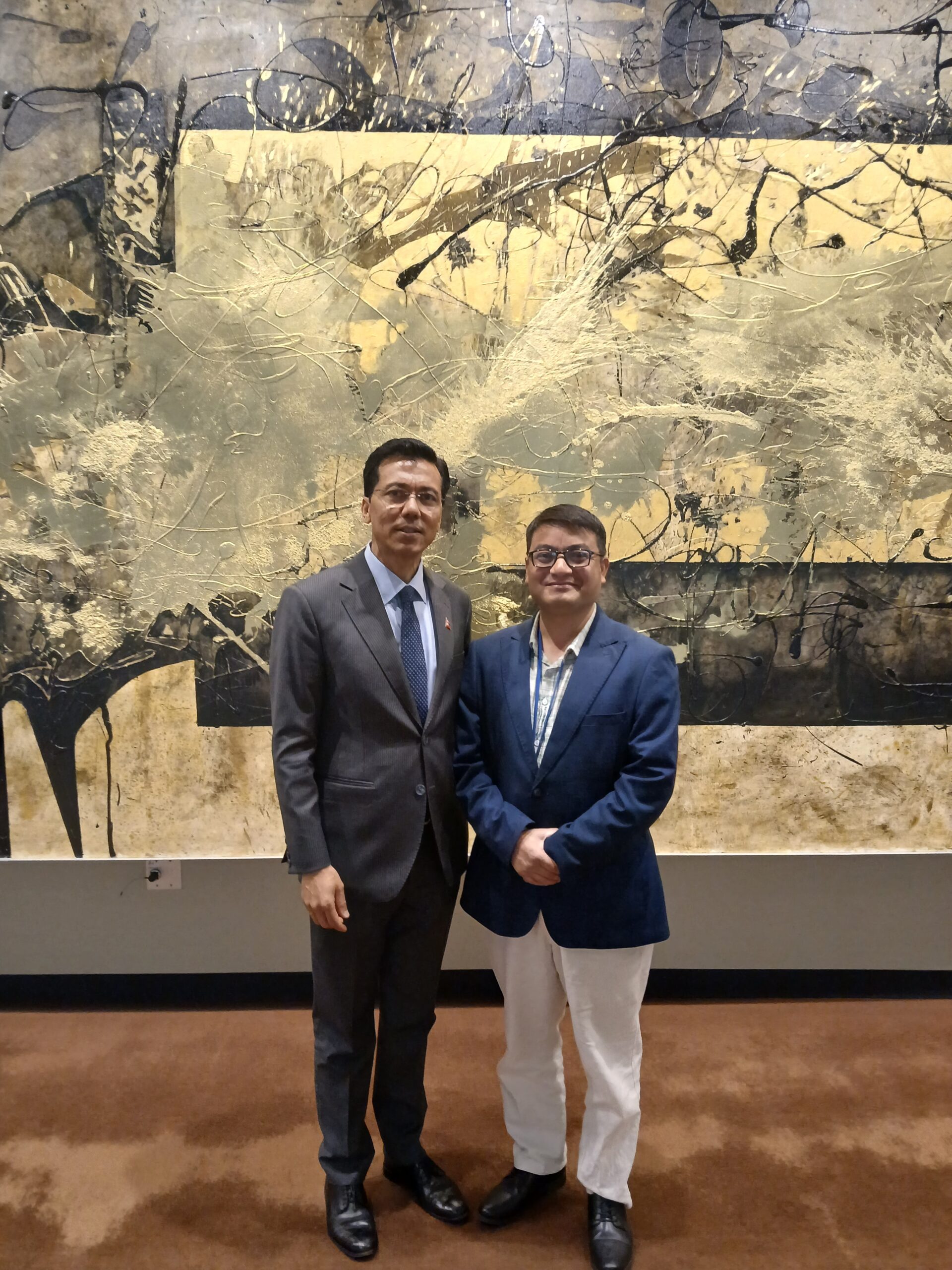 One of the major areas of Lama’s activities in the United States was his engagement with the United Nations and international policy forums in New York.
He attended the 25th Session of the Committee of Experts on Public Administration (CEPA) at the United Nations Headquarters in New York from April 13–17, 2026. The session provided an opportunity to follow discussions on public administration, governance, sustainable development and international cooperation.
Lama also participated in the ECOSOC Forum on Financing for Development Follow-up (FfD Forum) and the SDG Investment Fair, held in New York from April 20–24, 2026. Through these engagements, he followed international discussions concerning sustainable development, financing, global cooperation and the priorities of developing countries and the Global South.
During his UN-related engagements, Lama also maintained contact with diplomats, international officials, journalists and representatives of civil society organizations, promoting greater recognition of the perspectives and concerns of South Asian countries.
Engagement with International Journalism Organizations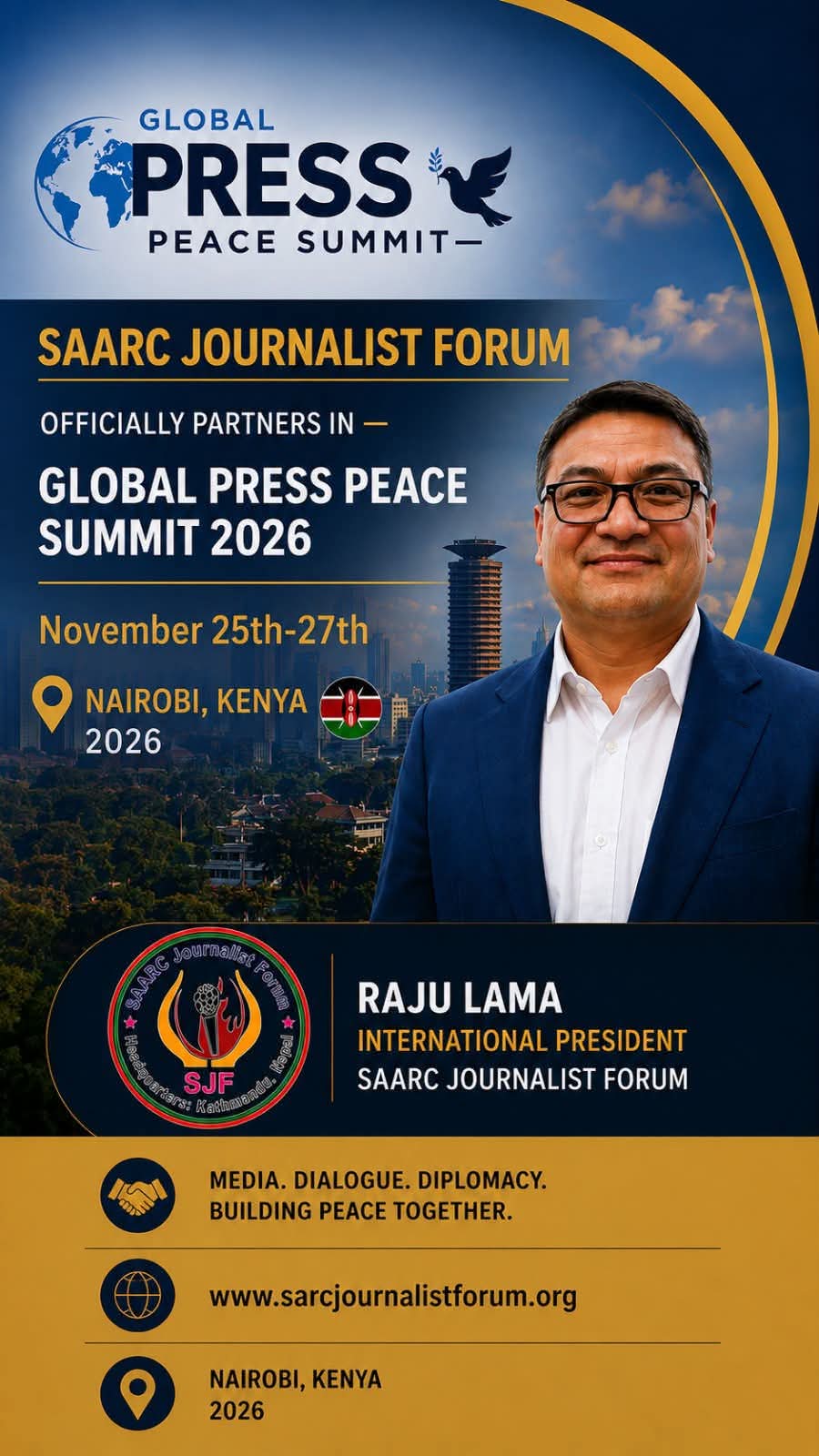 As President of the SAARC Journalist Forum, Lama also expanded his engagement with international journalism organizations and foreign correspondents in the United States.
He held discussions with Ian Williams, President of the Foreign Press Association of the United States, focusing on the changing environment for foreign journalists working in the United States and recent developments concerning journalists’ visas and media access.
The discussion highlighted the importance of protecting the professional rights of foreign correspondents and maintaining an open environment for international journalism.
Lama also explored opportunities for cooperation between SJF and international journalist organizations, with the objective of developing greater exchanges, professional training, networking and solidarity among journalists from South Asia and other regions.
Advocacy for Press Freedom and Journalists’ Rights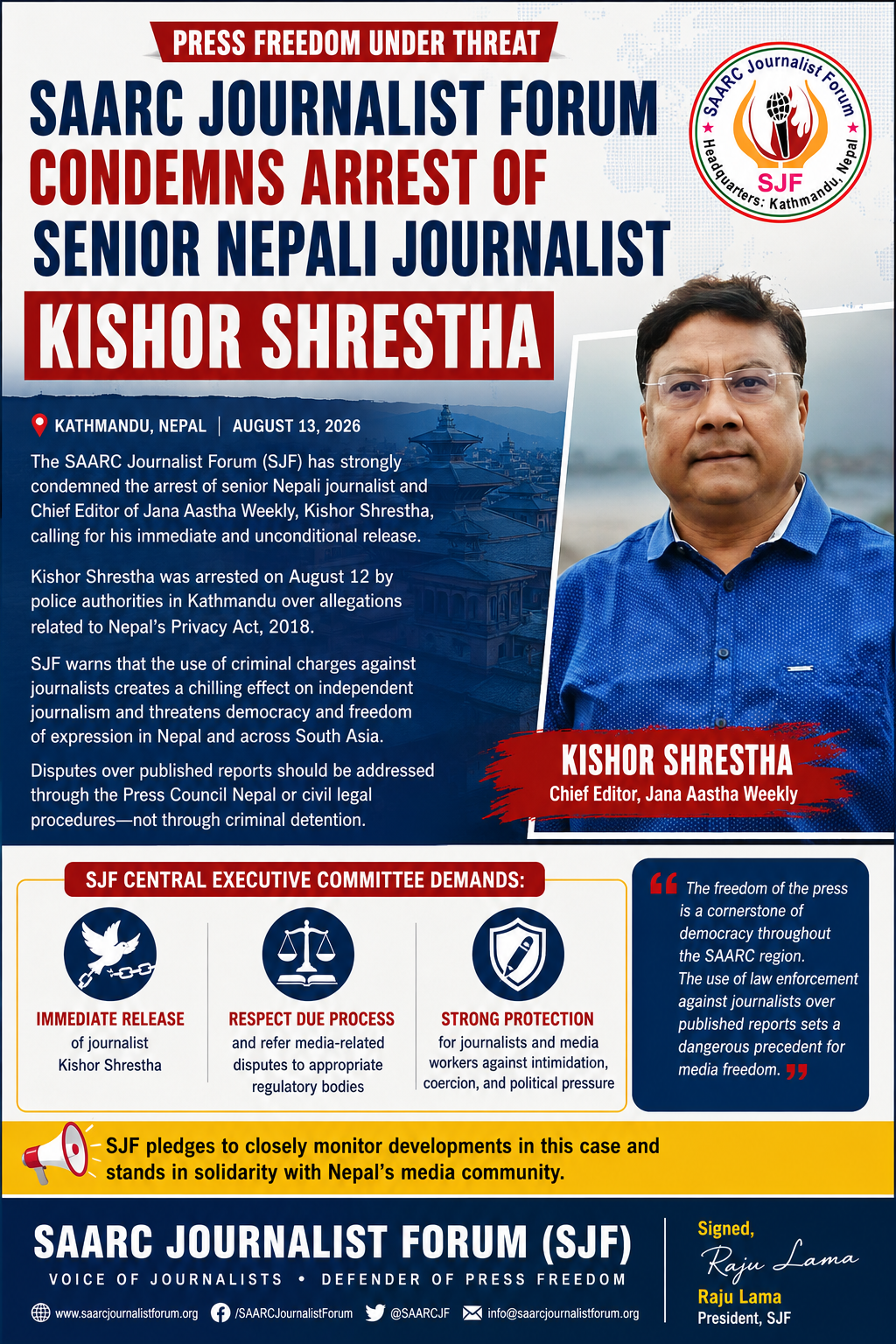
Press freedom and journalists’ safety remained central to Lama’s activities throughout his period in the United States.
As International President of SJF, he continued to advocate for the protection of journalists, freedom of expression and an independent media environment across South Asia.
SJF under Lama’s leadership also closely followed developments affecting journalists in Nepal and other South Asian countries, including cases involving arrests, restrictions and threats against members of the media.
The organization’s advocacy emphasized that journalists must be able to perform their professional responsibilities without intimidation, political pressure or unnecessary legal restrictions.
Representation of South Asian Journalism in the United States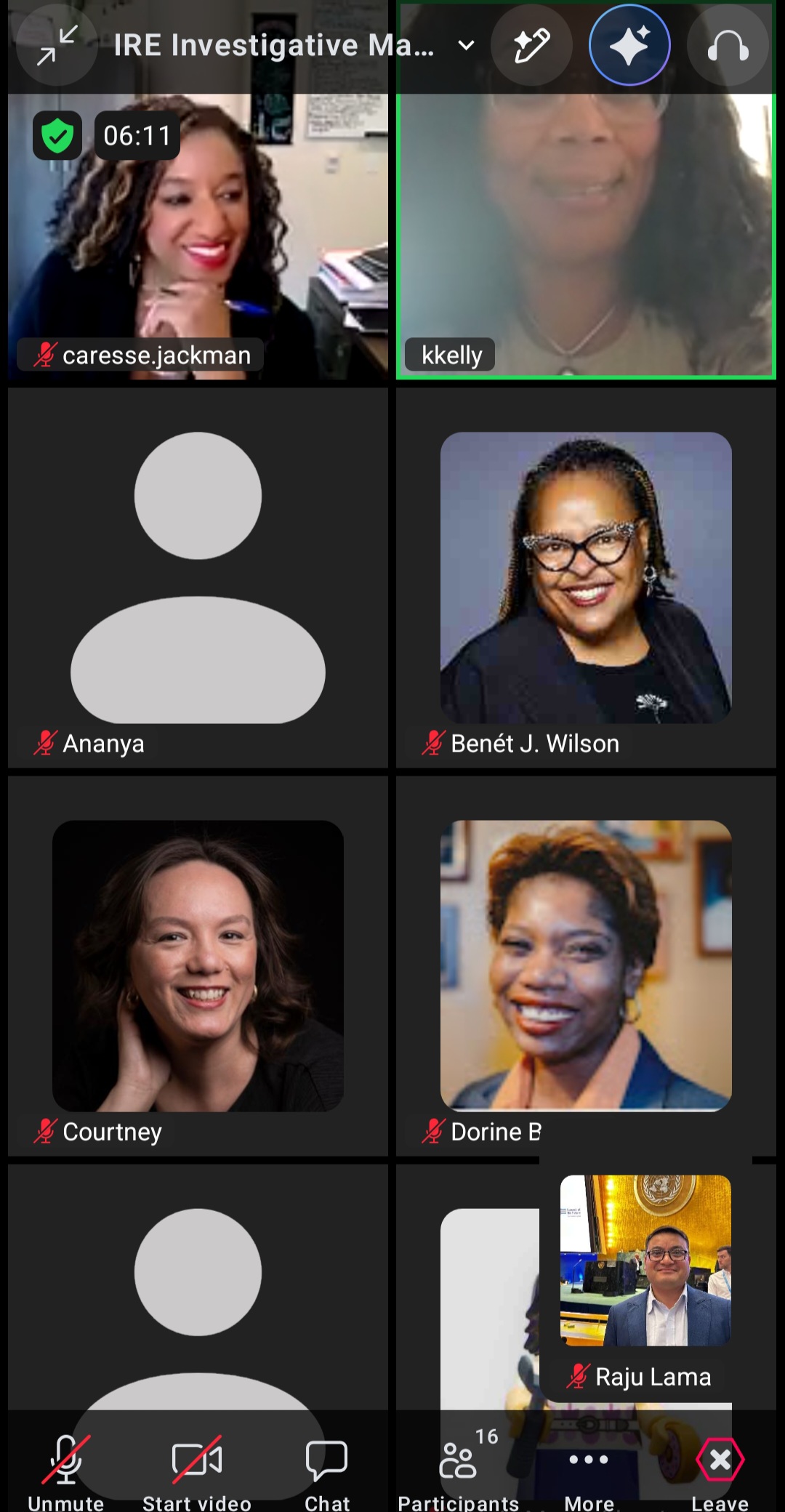 Lama used his presence in the United States to promote greater international understanding of South Asian journalism and the challenges facing journalists in the region.
Through meetings, professional networking and participation in international events, he emphasized the need for stronger cooperation between journalists from South Asia, the United States and the wider Global South.
He also promoted the concept of journalism as a bridge between societies, arguing that professional media cooperation can contribute to peace, dialogue, democratic values and regional understanding.
Engagement with Global South Issues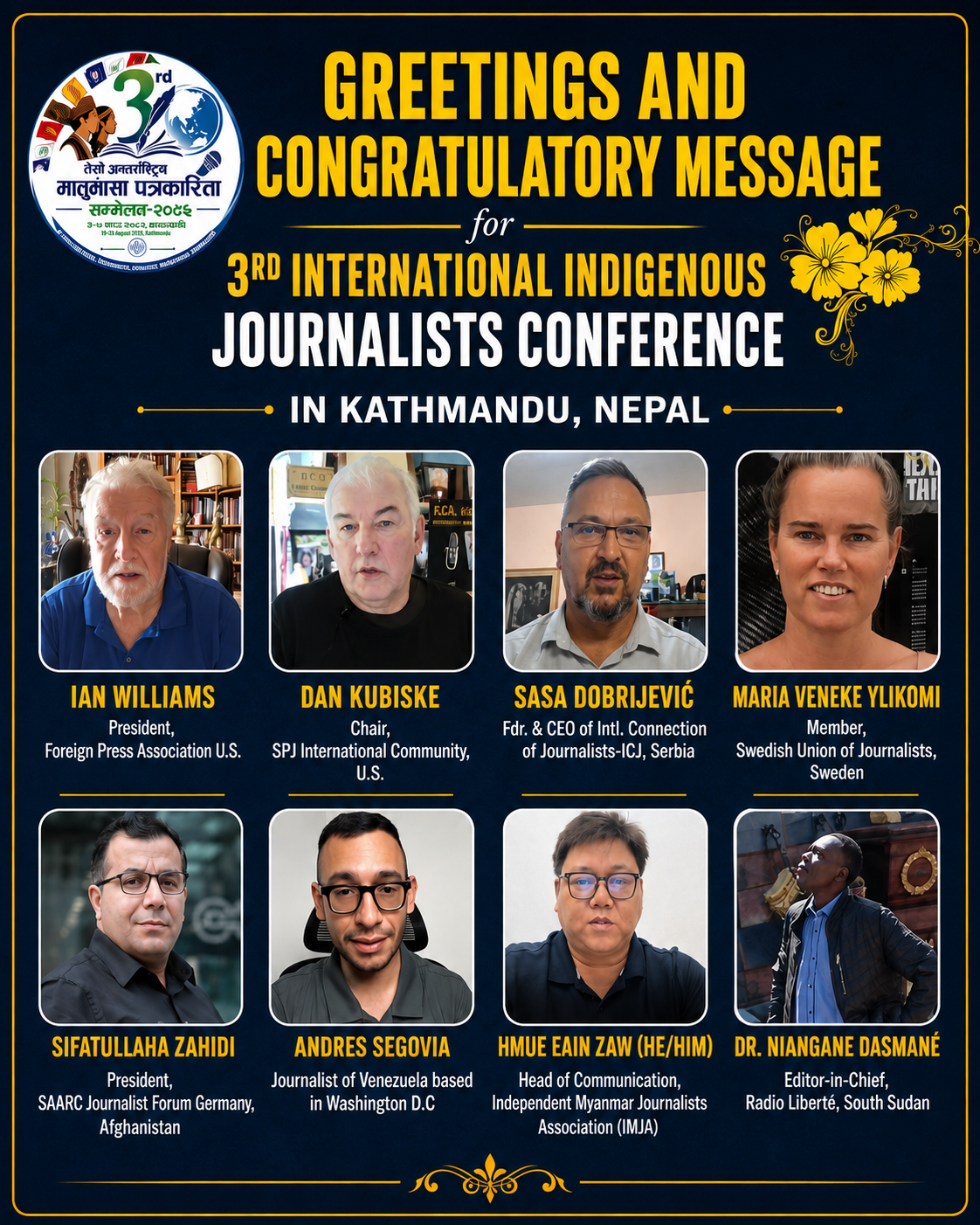 His participation in UN and ECOSOC-related programs provided an opportunity to follow global discussions on development, financing, governance and international cooperation from a South Asian perspective.
As President of SJF, Lama emphasized that international media discussions should provide greater space to the voices of journalists and communities from developing countries.
He advocated for stronger South-South media cooperation and greater representation of Global South perspectives in international journalism.
International Media and Professional Outreach
During his stay, Lama also continued strengthening the international profile of the SAARC Journalist Forum, which brings together journalists and media professionals from the South Asian region.
He worked toward developing relationships with international journalists, media organizations and professional networks in the United States, with the objective of creating future opportunities for:
* International journalist exchanges
* Professional training and capacity building
* Joint media programs
* Cross-border reporting
* Press freedom advocacy
* South Asian and Global South journalism cooperation
* International conferences and professional forums
These efforts are aimed at making SJF a stronger platform for regional and international cooperation among journalists.
Focus on U.S.–South Asia Media Relations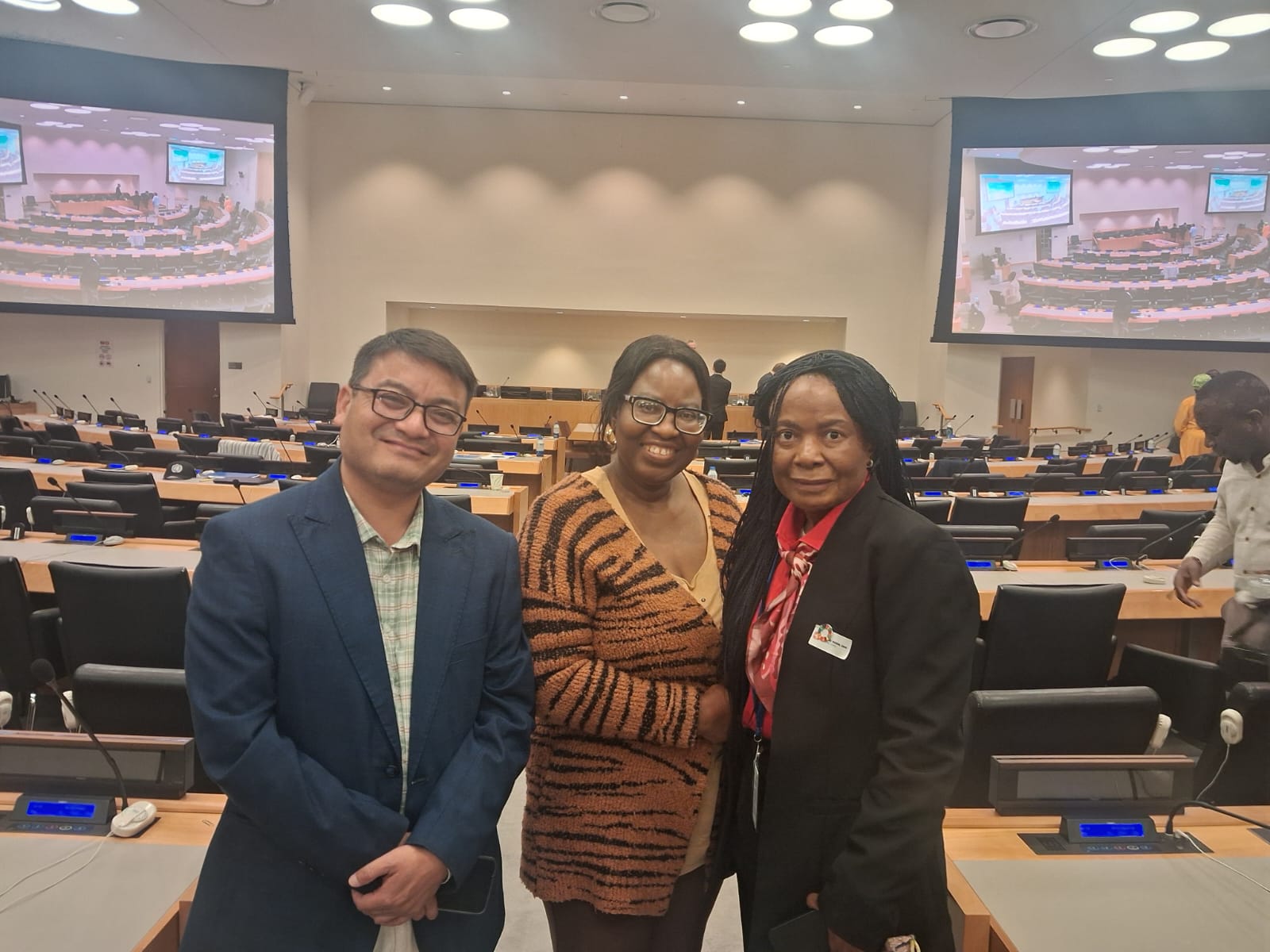 Lama also emphasized the importance of stronger media relations between the United States and South Asia.
He highlighted the significant role of journalists in improving public understanding between the two regions and encouraged greater opportunities for South Asian journalists to participate in international media programs, conferences and professional exchanges in the United States.
His activities also reflected SJF’s broader objective of connecting journalists across geographical and political boundaries while maintaining professional independence and journalistic ethics.
International Conferences and Journalistic Networking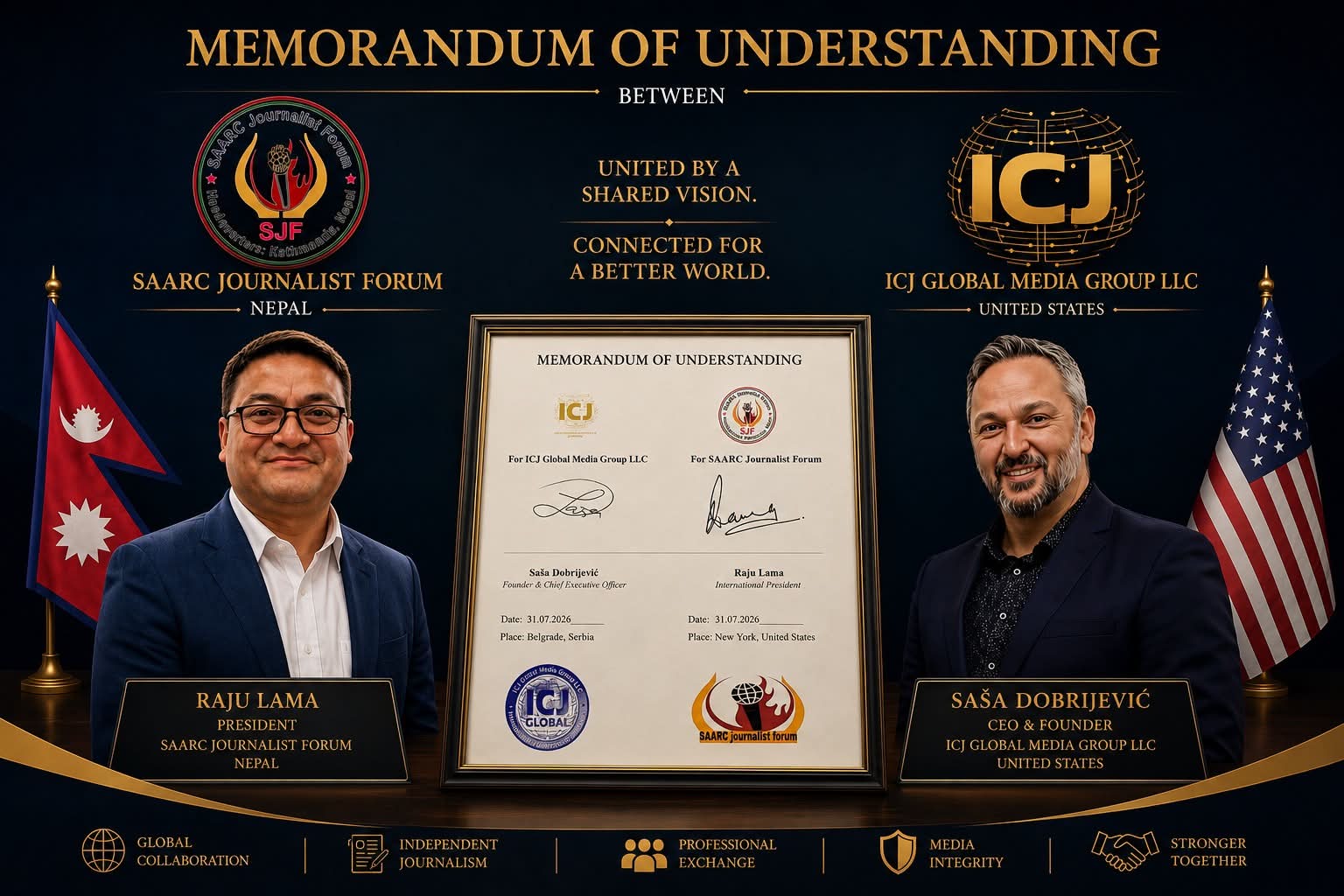 Throughout the April–August period, Lama maintained professional contacts with journalists, media leaders, diplomats, academics and representatives of international organizations.
He also pursued opportunities for SJF participation in international conferences and journalism forums, including initiatives connected with indigenous journalism, international press freedom and Global South media cooperation.
These activities contributed to expanding the international network of SJF and strengthening its position as a regional platform representing journalists from South Asia.
SJF’s International Solidarity During this period, SJF continued expressing solidarity with journalists and media organizations facing professional, legal or political challenges.
Under Lama’s leadership, the organization maintained its position that attacks on journalists, arbitrary detention, threats to media freedom and restrictions on independent journalism should be addressed through professional solidarity and international advocacy.
SJF also continued issuing messages of solidarity and concern on developments affecting journalists in South Asia.
Building International Partnerships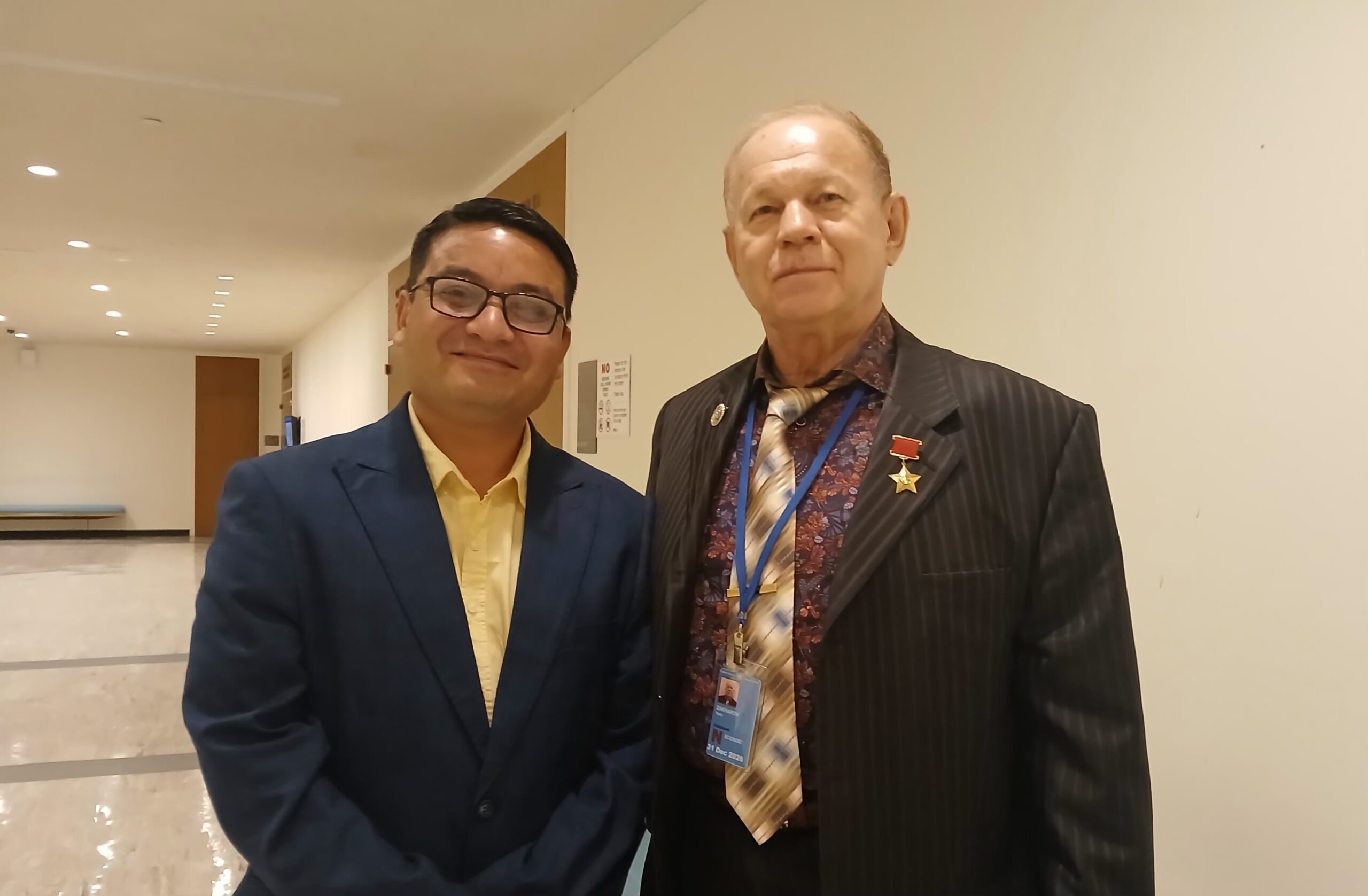 Lama’s activities in the United States also focused on identifying opportunities for institutional partnerships between SJF and international journalism organizations.
Potential areas of cooperation included journalist training, professional exchanges, conferences, research, digital journalism, press freedom initiatives and collaboration between regional journalist organizations.
The initiative reflects Lama’s effort to transform SJF from a primarily regional network into a stronger international platform for cooperation among journalists.
Strengthening the International Profile of SJF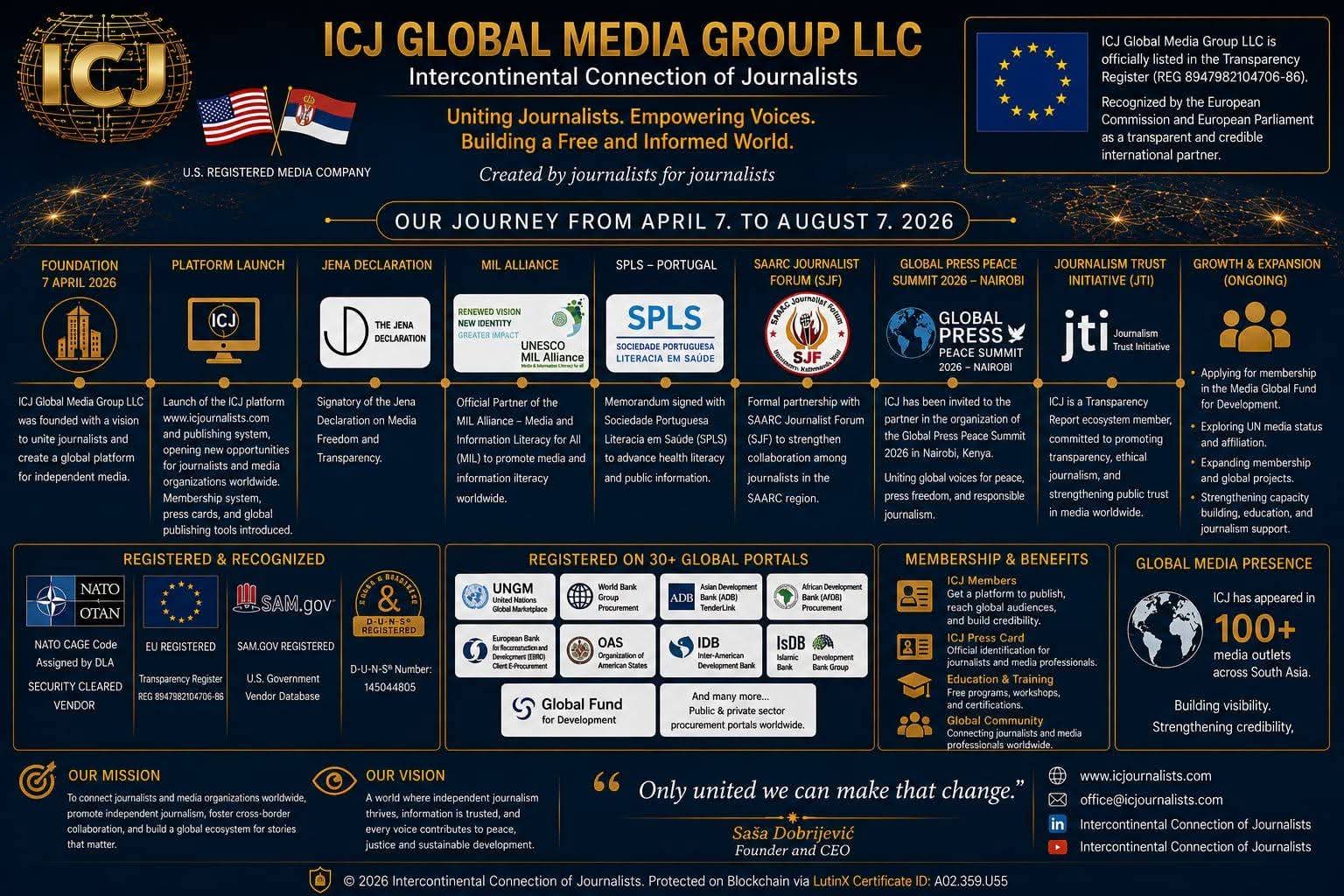 From April 10 to August 20, Lama’s activities in the United States contributed to increasing the visibility of the SAARC Journalist Forum in international media and professional circles.
His participation in UN-related forums, engagement with foreign journalists and international journalism organizations, advocacy for press freedom, and networking with diplomats and international stakeholders provided opportunities to present the priorities of South Asian journalism on a wider international platform.
As International President, Lama emphasized that the challenges facing journalists today are increasingly global and require cooperation beyond national borders.
A Period of International Media Diplomacy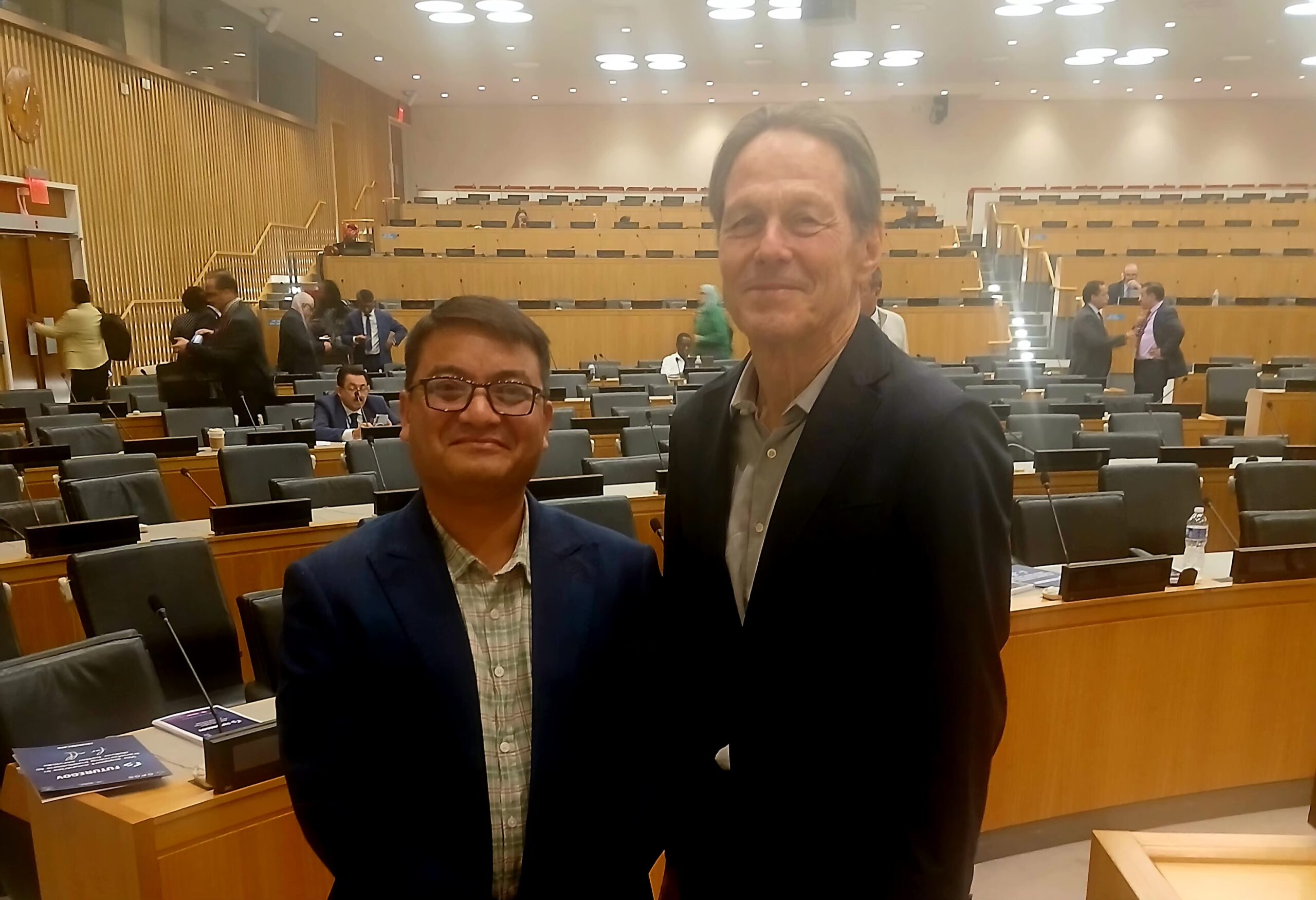 The April–August 2026 period can therefore be described as an important phase of international media diplomacy for Raju Lama and the SAARC Journalist Forum.
From the United Nations in New York to meetings with international journalists and media organizations, Lama worked to connect South Asian journalism with wider international debates on democracy, development, press freedom, governance and global cooperation.
His activities demonstrated SJF’s commitment to strengthening the professional network of South Asian journalists while promoting dialogue and cooperation with journalists and institutions around the world.
Conclusion
Between April 10 and August 20, 2026, SAARC Journalist Forum International President Raju Lama used his professional presence in the United States to promote South Asian journalism, press freedom, journalists’ rights and international media cooperation.
His participation in UN and ECOSOC-related programs, engagement with international journalists and media organizations, advocacy for journalists, and efforts to build international partnerships have helped broaden the international outreach of the SAARC Journalist Forum.
The activities represent an important step toward strengthening South Asia–United States media relations and building a wider Global South journalism network, with SJF positioned as a platform for professional solidarity, dialogue and cooperation among journalists.
Category: SAARC times
Recent Posts
Recent Comments
Archives
Categories